Topics at the Allianz Center for Technology:
New Technical Article on Radar Transparency of Painted Automotive Plastic Components
There are a wide variety of vehicle manufacturer specifications for handling painted components with radar sensors mounted behind them; however, these specifications rarely take into account the impact on the radar signal, even though this would ultimately be the decisive variable.
September 2026
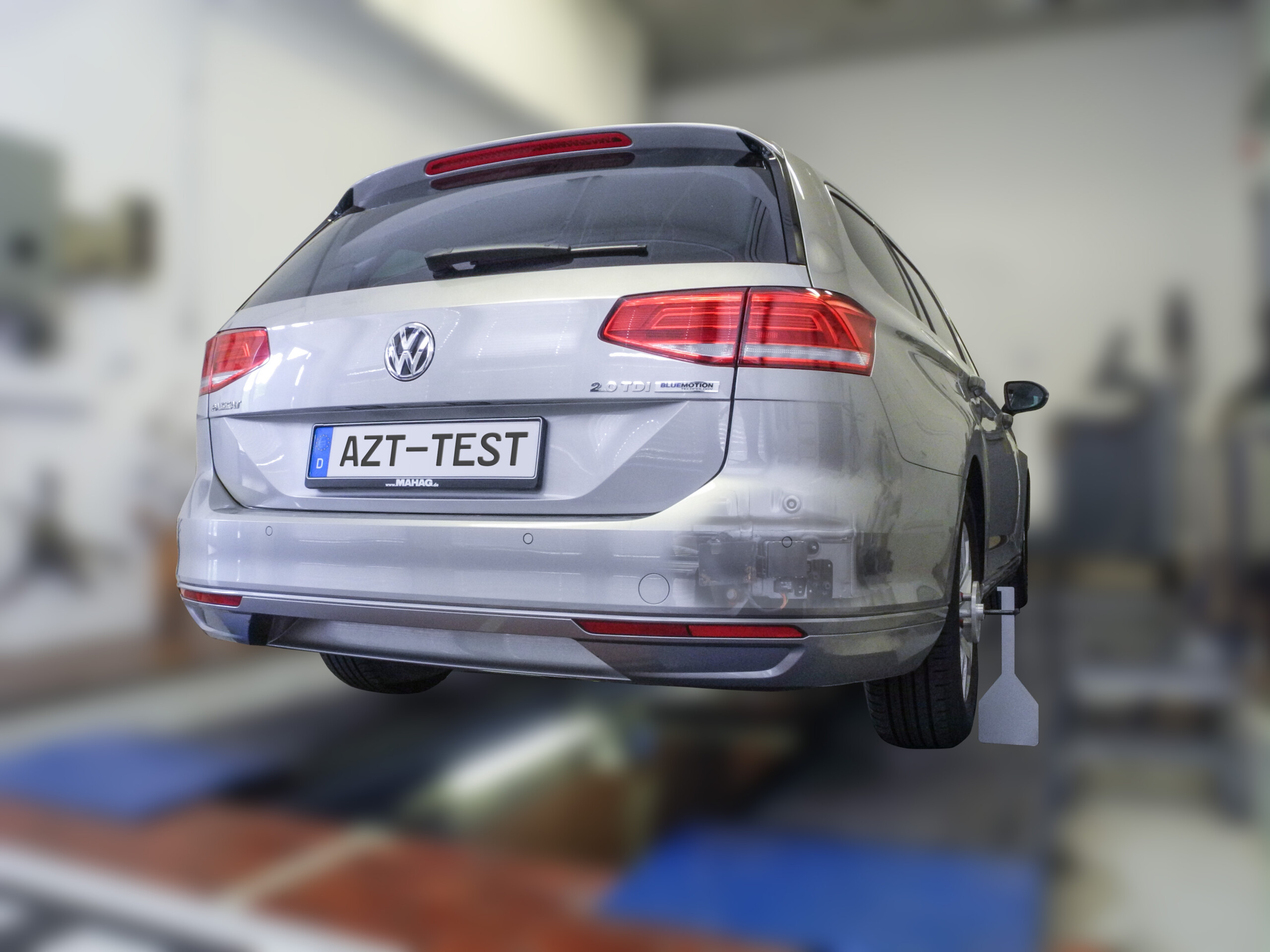
In modern vehicles, radar sensors for advanced driver-assistance systems (ADAS) are often installed behind painted plastic covers, such as bumpers.
The EU General Safety Regulation (No. 2019/2144) mandates advanced ADAS in new vehicles, making the radar transparency of these covers critical to safety. During repairs and repainting, the paint layers can negatively affect the radar signal through refraction, attenuation and reflection. The ultrasonic paint thickness measurement traditionally used has proven insufficient, as it is not the paint thickness but the specific pigment composition — particularly metallic pigments such as aluminum — that significantly determines signal attenuation.
A series of tests conducted by Perisens GmbH and AZT Automotive GmbH using three paint colors from seven repair paint manufacturers revealed significant differences in radar signal attenuation.
In an article (available in German only) now published in the JOT Journal for Surface Technology (JOT Journal for Surface Technology, 08/2026, 36–39. Available online at https://www.springerprofessional.de/jot-journal-fuer-oberflaechentechnik/10.1007/s35144-026-3925-1), the test results are explained, and it is proposed to measure the actual signal attenuation directly using a so-called radome measurement system (RMS) instead of measuring layer thickness.
Without reliable evaluation methods, the current situation often leads to unnecessary component replacement, which is disadvantageous both environmentally (higher CO₂e emissions) and economically (rising insurance premiums). Vehicle manufacturers should define clear threshold values so that repair shops can reliably document and ensure radar transparency after repairs.


